

Waterproofing conditions vary by building area and structural requirements. A complete assessment during planning helps the waterproofing system perform effectively.
Book a Consultation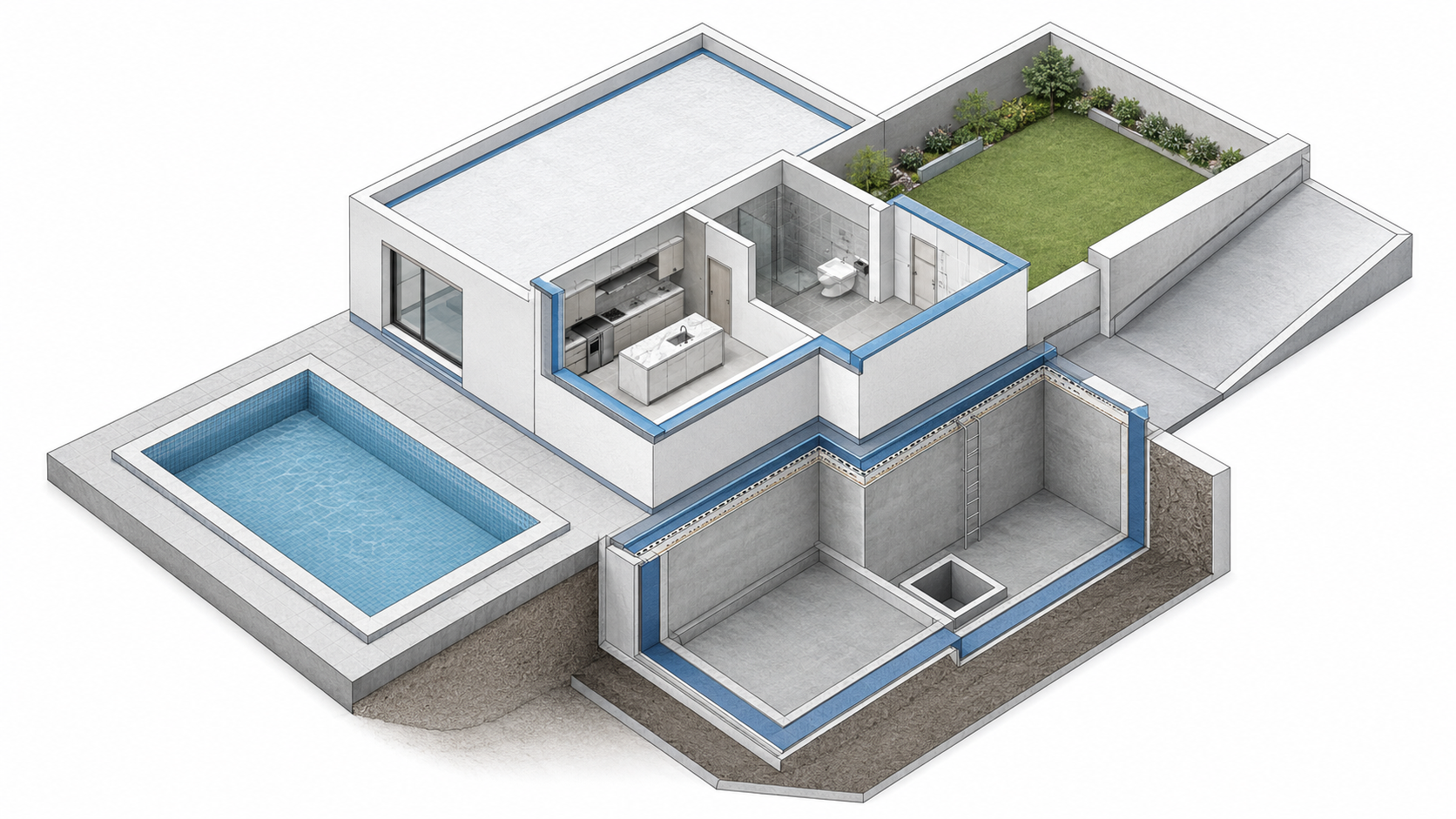
Waterproofing can apply to roads, railways, waterways, eco bridges, tunnels, MRT/LRT stations, undersea tunnels, cut-and-cover tunnels, roofs, terraces, courtyards, basement roofs, driveways, planting areas, landscape water features, pools, and potable water tanks.
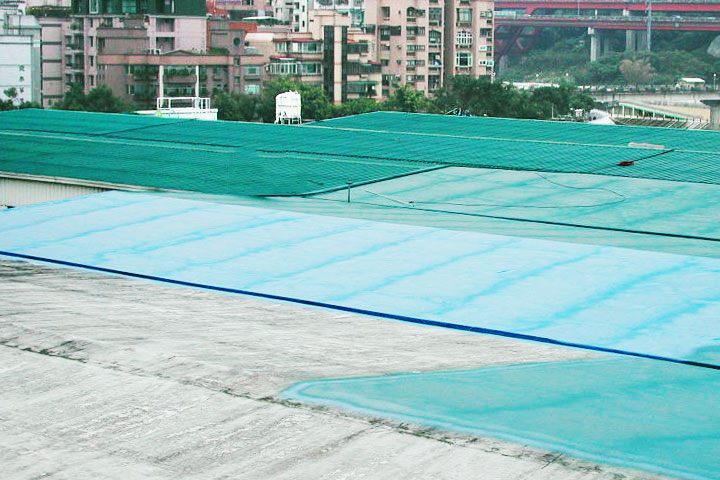
Why do roofs and terraces need waterproofing?
Acid rain, sunlight, thermal movement, earthquakes, temperature changes, shrinkage cracks, and shear cracks.
It prevents acid rain and harmful liquids from damaging roof concrete and reduces leakage impact on daily living.
Crack resistance, durability, and integrated planning with protection layers and finishes.
Repairs are difficult at height. Full repair often requires removing protection layers and finishes, increasing cost.
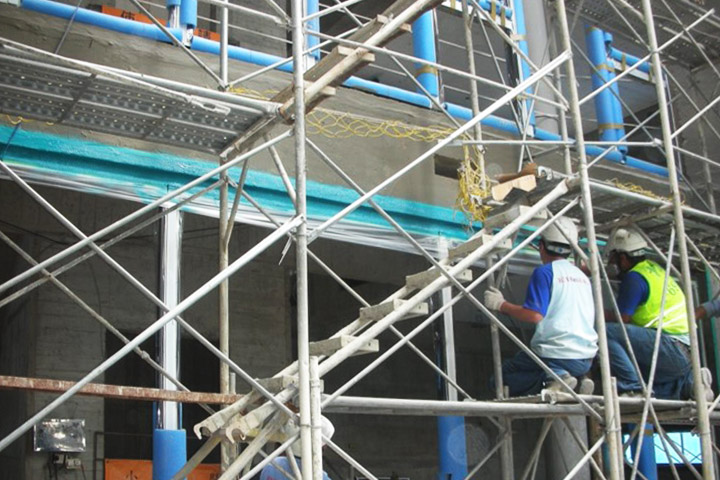
Why do window edges need waterproofing?
Aluminum windows and concrete expand and shrink differently, making the window-concrete interface a weak point.
Window edges are often filled with cement mortar. Poor material joints and edge details can become leakage paths.
Window-frame edges, joints, material interfaces, and detail finishing.
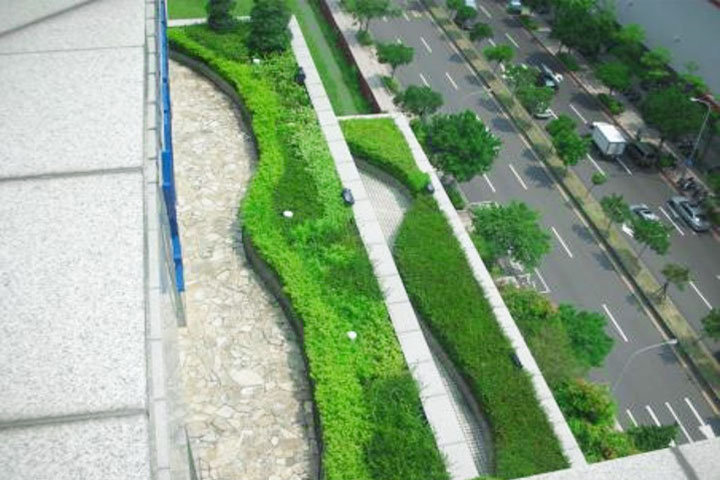
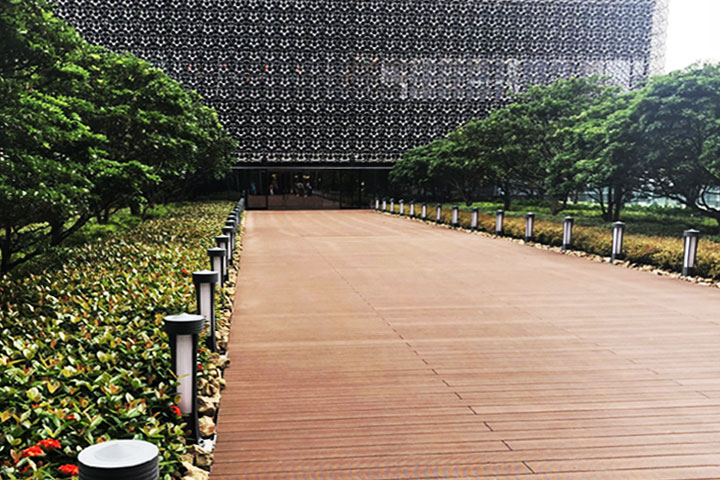
Why do courtyards and landscape areas need waterproofing?
Acid rain, strong sun, root penetration, water-feature erosion, protection layers, and landscape coverage.
Protection layers, planting, and landscape elements often cover the membrane. Later repair may require large-scale removal.
Crack resistance, root penetration resistance, chemical resistance, durability, and integrated system planning.
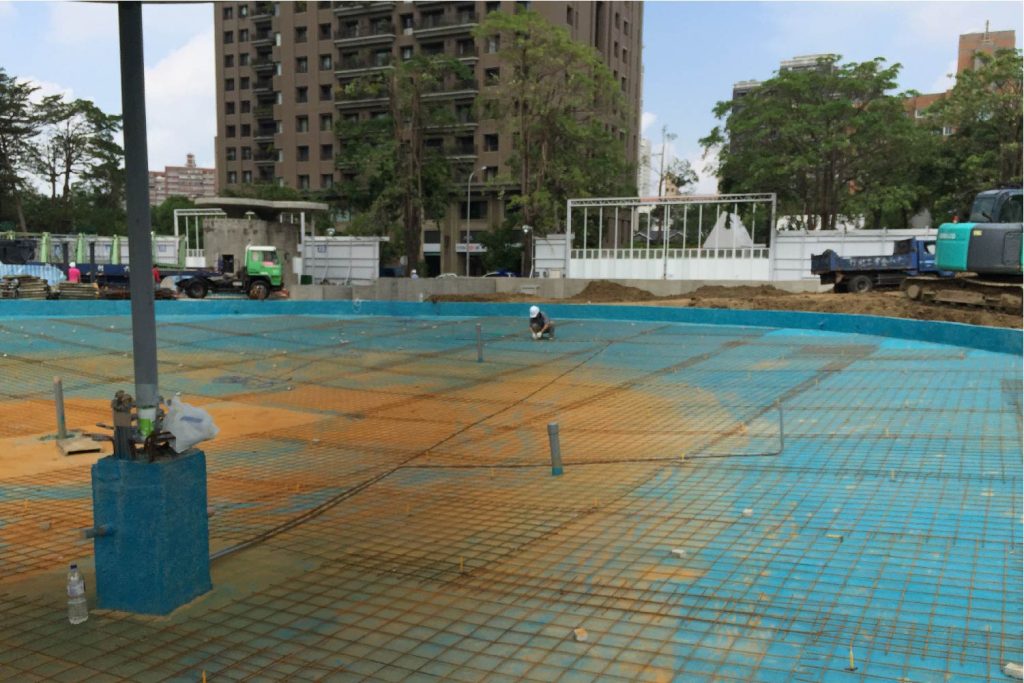
Why do long-term water-retaining spaces need waterproofing and anti-corrosion systems?
Reinforced concrete must resist earthquakes, cracking, chloride-related neutralization, and rebar corrosion.
Fermentation and bacteria can create acidic conditions, causing concrete neutralization, rebar corrosion, and cover spalling.
Chlorine can react with water droplets to form acidic liquid and affect concrete cover in stagnant-air areas.

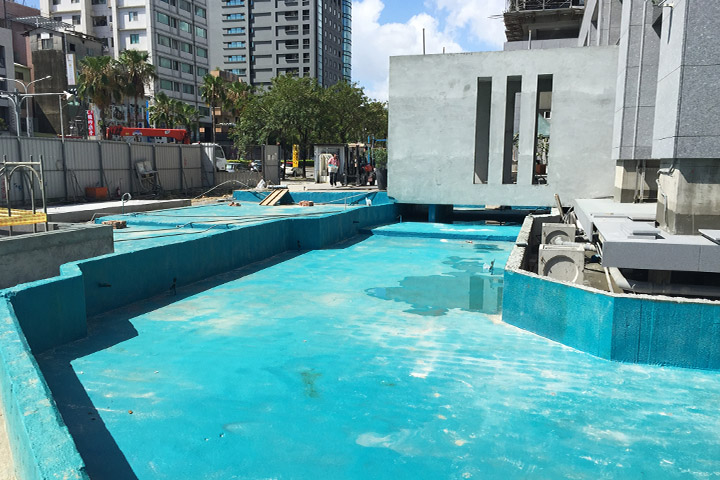
Why does sump-pit sealing need waterproofing?
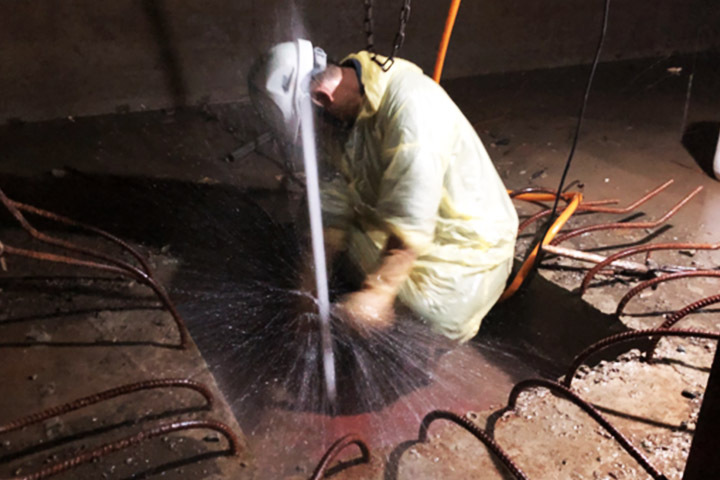
When groundwater is high, sump pumping may be needed. After sealing, the pit area still bears long-term upward water pressure.
After the pump is removed, openings remain. Upward water pressure under the sealing plate can cause structural and leakage problems if not treated properly.
Pit sealing, water-stopping, base-slab detailing, and upward pressure control.
Why do construction joints need waterproofing?
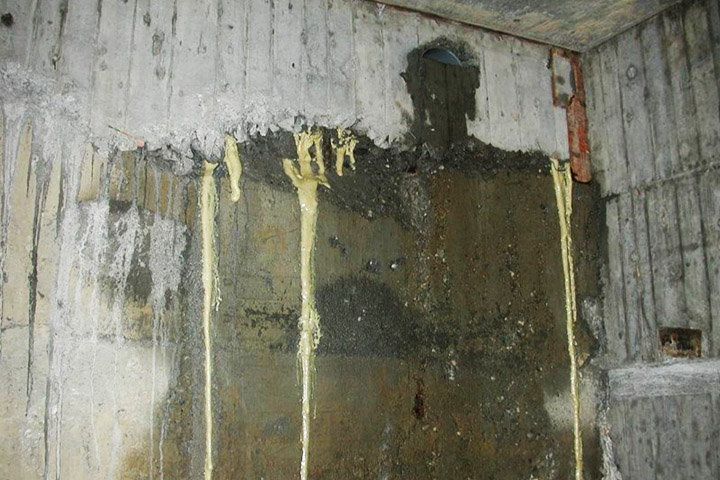
Segmented concrete casting can create cold joints, laitance, debris, and weak points that seep during heavy rain and wind pressure.
These locations are often around GL -2 m at basement exterior walls. Surface rainwater may enter the inner side of B1 exterior walls.
Joint water-stopping, injection-pipe layout, closed-cell foam stopping, and positive-side water blocking.
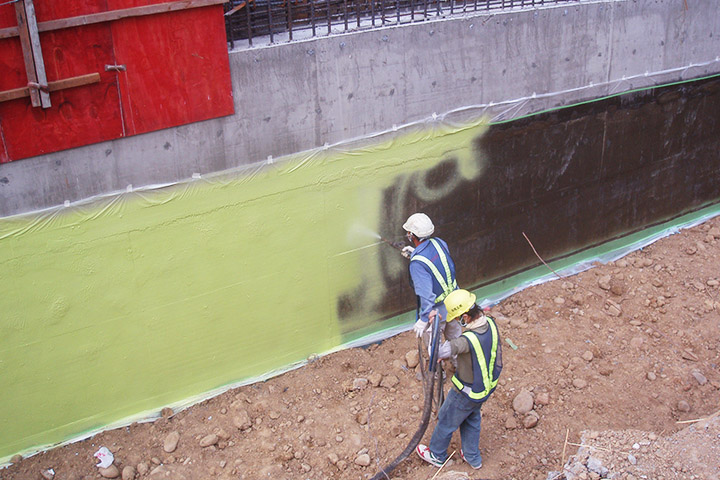
Why do underground walls and diaphragm walls need integrated waterproofing?
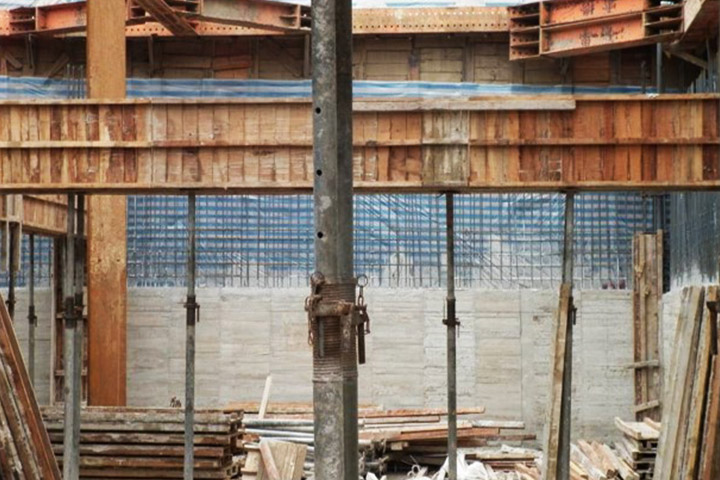
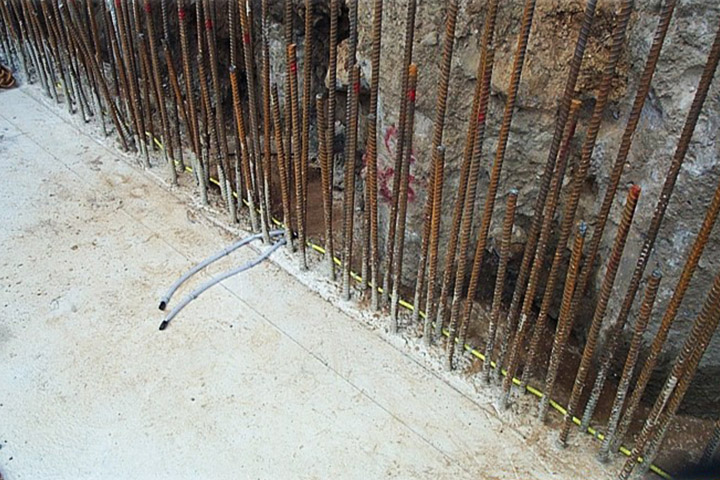
One side faces soil and the other faces interior space, so it must resist earth pressure and surface-water seepage.
Positive-side waterproofing can be applied from the outside, but after backfilling it is difficult to repair from the positive side.
It serves as temporary support during excavation and later becomes a permanent structural wall. Panel joints, mud inclusion, and pile defects must be included in waterproofing planning.

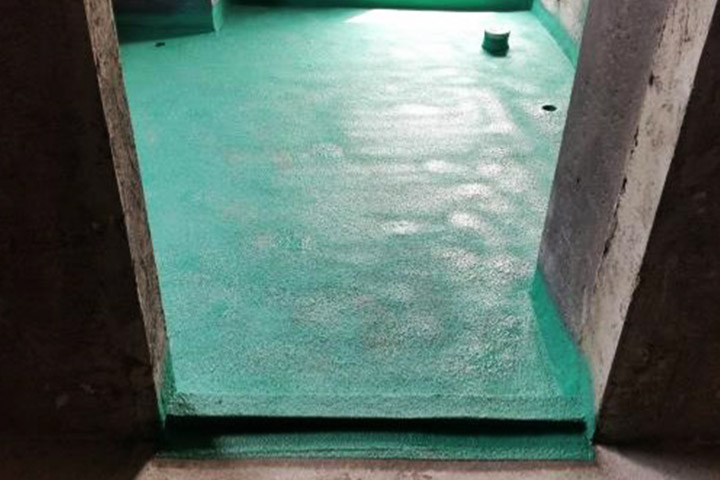
Why do bathrooms need waterproofing?
Floors may be RC or metal deck, partitions are often lightweight walls, and water use is frequent.
Wall-floor joints, threshold waterproofing, pipe penetrations, and drainage-area integration.
Why do kitchens need waterproofing?
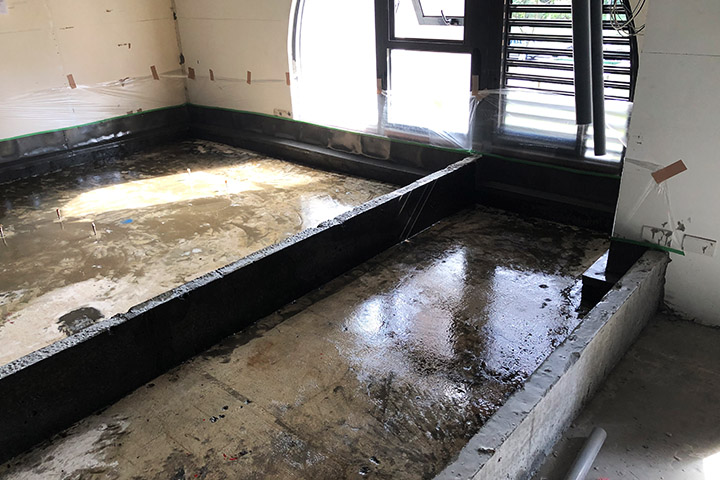
Floors, partitions, plumbing, cabinets, and later finishing works create complex material and construction interfaces.
Coordination before and after waterproofing, wall-floor joints, pipe areas, and integrated system planning.
Why does driveway waterproofing need special planning?
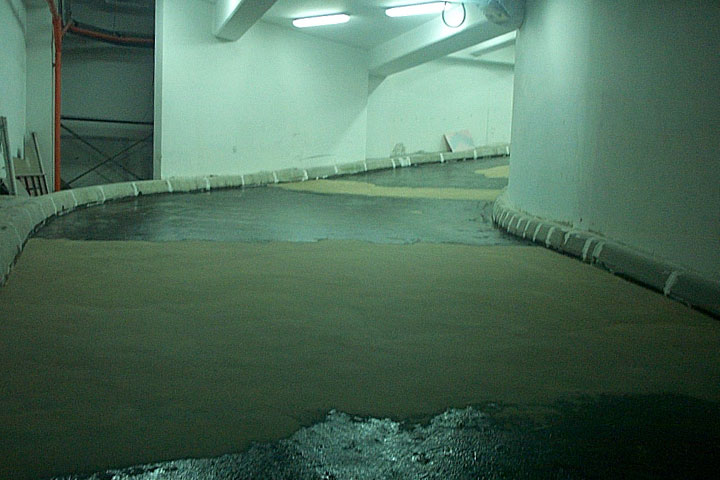
Driveways face acid rain, sunlight, repeated loading, tensile stress, and vehicle shear force.
Driveways are parking entrances and exits. If waterproofing fails later, long closures for full repair are often difficult.
Crack resistance, shear resistance, and durability are important. The material should not be too soft or overly thermoplastic.

Common problems before planning waterproofing for roofs, terraces, window joints, courtyards, pools, basements, bathrooms, kitchens, and driveways.
It is not just fixing one leak. It evaluates each area’s use, water exposure, structural position, and maintenance difficulty to choose the right waterproofing system and work sequence.
Each area faces different water pressure, sunlight, thermal movement, roots, ponding water, or joint risks. Separate assessment helps the design match real site conditions.
Leaks often come from joints, edges, thermal movement, and weak detailing around window frames, parapets, slab edges, and material junctions. Interface treatment and continuity are critical.
Basements and pits often involve groundwater pressure, construction joints, structural connections, and seepage paths. The water source should be assessed before deciding on injection, joint treatment, or membrane reinforcement.
Not recommended. Bathrooms and kitchens focus on water use, drainage, and pipe areas, while driveways require load, abrasion, ramp drainage, and durability considerations.
Before new construction, roof or terrace renovation, pools, basement work, landscaped areas, and major repairs. Planning ahead is usually more effective and reduces future demolition, downtime, and repair costs.